Sage Green Paint
Named after the soft, silvery leaves of the herb, sage is a green muted with grey: calm, natural and remarkably easy to live with. It sits happily beside timber, linen and brass, and suits kitchens, bedrooms and living rooms alike. Our sages run from barely-there pales to deep, smoky shades, each available as a 60ml sample.
Sage is a muted, grey-softened green, not a mint and not a bright leaf green. That greyness is exactly why it's so easy to live with: it sits calmly beside timber, linen and brass, and it shifts gently with the light rather than shouting. Colour experts agree there's no single sage, though. Some lean yellow and botanical, others lean grey and stony, and the difference shows most in cool north light. Below are the sages we'd shortlist, from barely-there to deep and smoky, plus the pairings designers recommend.
At a glance
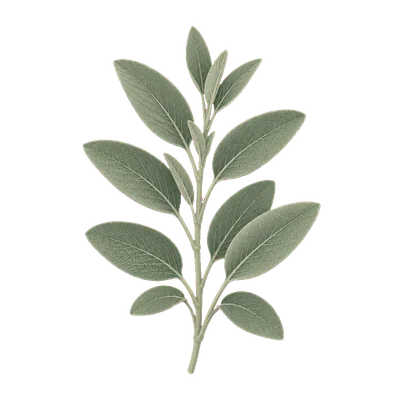
- Character
- Green softened with grey. Not a mint and not a bright leaf green. Sage's greyness is what makes it so calm beside timber, linen and brass, and why it shifts gently with the light rather than shouting.
- Best rooms
- Kitchens, bedrooms, living rooms. Restful enough for a bedroom, earthy enough for kitchen cabinets and easy-going in a living room. Deeper sages also give panelling and joinery real presence.
- North light
- Cooler and greyer. Cool, even north light brings out the grey in sage. Warm it with natural wood, brass and a creamy white rather than a brilliant white. A sage with more yellow in it copes best.
- South light
- Warmer, more luminous. Warm southern light makes sage look softer, warmer and more luminous through the day. Almost any sage works here, so sample it on the sunniest wall and the wall opposite.
- East light
- Fresh mornings, cooler afternoons. Sage looks bright and fresh in warm morning sun, then turns cooler and greyer once the sun moves round. Great for kitchens and bedrooms used in the morning; for rooms used later, pick a warmer, yellower sage.
- West light
- Flat mornings, golden evenings. West-facing rooms can feel flat in the morning, then low golden evening sun warms sage into a soft, earthy glow. Lovely for living rooms and snugs; a greyer sage stops it tipping too yellow at sunset.
- Pairs with
- Cream, stone, pink, terracotta. Designers choose a creamy white over brilliant white, plus muted stones, soft rosy pinks and clay or terracotta for warmth.
- Sample tip
- Beside your floor and worktop. Undertones show most against what stays in the room, so hold your sample next to the floor, worktop and timber, and check it morning and evening.
Tap any tile to read more.
Pale sages: a whisper of green
Fresh but never cold, almost a neutral.
Best in south-, east- and west-facing rooms
If you want a room that feels fresh but never cold, start here. These are pale enough to behave almost like a neutral, with just enough green to lift a bedroom or hallway out of 'magnolia'.
Best in south-, east- and west-facing rooms. Plenty of warm daylight keeps these cool-leaning pale sages fresh and airy. In a north-facing room they can drift grey and chilly, so look at a warmer, yellower green there.
Mid-tone sages: the classic
The sage everyone pictures, especially great for cabinets.
Best in south-, east- and west-facing rooms
This is the sage most people picture: soft, botanical and slightly earthy. It's the depth that works so well on kitchen cabinets, and designers like to keep the surrounding finishes simple, with white walls and wooden worktops, so the muted green stays the star.
Best in south-, east- and west-facing rooms, where warm light brings out their soft, botanical side. Loxley™ and Pippin™ also hold up in north-facing rooms; in cool north light, or the shaded half of an east- or west-facing day, they read greyer, so sample them on your darkest wall before you commit.
Deep, greyed sages for panelling and snugs
Smoky depth well suited to panelling, joinery and snugs.
Best in east- and west-facing rooms
Deeper, smokier sages are wonderful on panelling, built-in cupboards and joinery: they give the woodwork presence without overwhelming the room. Carry them onto the skirting and doors in our Trim & Woodwork Paint for a considered, finished look.
Best in east- and west-facing rooms, where low sun gives these smoky sages a warm, enveloping glow, perfect for a west-facing snug you use at the end of the day. Woodsage™ also holds its depth beautifully in a sunny south-facing room.
What colours go with sage green?
Creamy whites, plaster pinks, stone and terracotta.
Designers keep coming back to the same companions: a creamy white rather than a stark brilliant white, muted stones and greys that share sage's softness, soft rosy pinks, and clay or terracotta for warmth. Here's how we'd put that into practice with our own colours.
A creamy off-white for ceilings and woodwork (Dellwhite™), a soft plaster pink for a bedroom (Lilly™), a muted terracotta for a door, cushion-coloured accent or painted chair (Fothergill™), and a quiet stone to sit beside it all (Cadeby™).
Sample it the way we would
Step 1
Paint your peel-and-sticks
Each £5.99 sample comes with three paintable peel-and-sticks. Give them two coats and let them dry fully.
Step 2
Stick them around the room
Put them on two or three walls, including the wall opposite the window, at eye level and lower down.
Step 3
Live with them for a day or two
Look in the morning, the afternoon and under your evening lamps. Move them around until you are sure.
Your questions, answered
Is sage green warm or cool?
Neither, universally. It depends on the balance of grey, yellow and blue in the particular shade, and on your light. Cool north light tends to bring out sage's grey side; warm south light makes it look softer and warmer.
Does sage green work in a north-facing room?
It can, but sample carefully. If it starts to feel chilly, designers warm it up with natural wood, brass and a creamy white rather than a cold brilliant white. A sage with more yellow in it usually copes better than a very grey one.
Colours for north-facing roomsWhat worktop goes with sage green kitchen cupboards?
Wooden worktops are a designer favourite with sage cabinets, with simple white or off-white walls to keep the scheme fresh. Always hold your sample against the actual worktop and floor before you commit.
Kitchen paint coloursWhat colour should I paint the woodwork with sage walls?
A creamy off-white gives a gentle contrast. For a more enveloping look, paint the woodwork in the same sage or a shade deeper, which is the idea behind colour drenching.
Colour drenching guide