Georgian Paint Colours
Georgian rooms were all about proportion, and the colours were chosen to flatter it: warm stones, drabs and greys, soft greens and blue-greys, and strong colour used sparingly. These heritage-inspired shades suit townhouses, cottages and any room with tall windows and good light. Every shade is available as a 60ml sample.
Georgian decorating relied on earth pigments, so much of the palette sits in stones, drabs, buffs and greys, with soft greens and blue-greys in finer rooms. Woodwork was often painted to tone with the walls rather than in bright white. Below are our heritage-inspired Georgian shortlists, chosen for their resemblance to the period palette.
At a glance
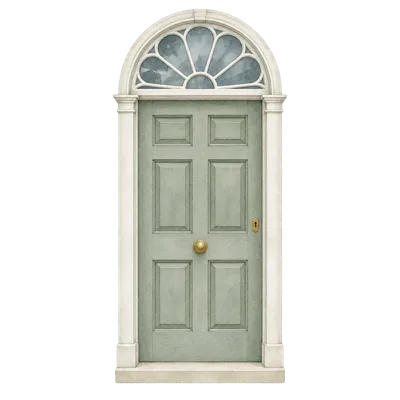
- Start here
- Calm colour for proportion. Georgian colour flatters tall windows, cornices and panelling. Start with stones and drabs, then add soft greens or greys.
- North light
- Warm stones and buffs. Warm stones and buffs. Cool north light suits warm stones, buffs and drabs, which stay soft rather than grey.
- South light
- Soft greens and greys. Soft greens and greys. Bright, warm daylight keeps Georgian greens and architectural greys fresh and elegant.
- East light
- Stones for every hour. Stones for every hour. Warm stones balance cool afternoon light in an east-facing room.
- West light
- Greens for the evening glow. Greens for the evening glow. Warm evening light flatters soft greens and blue-greys.
- Woodwork
- Tone it with the walls. Georgian joinery was often painted a shade that toned with the walls. A slightly deeper stone on panelling and shutters looks authentic and calm.
- Before you paint
- Check old surfaces first. Choose the coating for the surface first. Traditional limewash or distemper may suit original plaster better, and listed buildings need conservation advice.
- Sample tip
- Check every change of light. Move your sample between walls. Check it in morning and afternoon daylight, then under the lights you use at night.
Tap any tile to read more.
Stones, drabs and buffs
Warm earth-pigment neutrals for elegant rooms.
Best in north-, south-, east- and west-facing rooms
gave Georgian rooms their warm stones and drabs. They flatter good proportions and make a calm backdrop for paintings and polished wood.
Plough™, Chissy™ and Cameron Stone™ suit any direction. The others suit north-, east- and west-facing rooms.
Soft greens and blue-greys
Quiet greens and greys for finer rooms.
Best in south-, east- and west-facing rooms
Soft greens and blue-greys were used in finer Georgian rooms. They feel elegant and fresh, especially in rooms with tall south-facing windows.
Best in south-, east- and west-facing rooms. Erewash™ and Glaed™ also suit north-facing rooms.
Architectural greys and deeper accents
Stone greys and deep shades for doors and halls.
Best in north-, south-, east- and west-facing rooms
Deeper greys and earthy accents were used on doors, halls and exteriors. Used sparingly, they give a Georgian scheme weight and definition.
Knapper™ suits any direction. Rally™, Navigation™ and Riverbed™ suit north-facing rooms; Gallion™ and Leadbelt™ prefer east- or west-facing light.
Sample it the way we would
Step 1
Paint your peel-and-sticks
Each £5.99 sample comes with three paintable peel-and-sticks. Give them two coats and let them dry fully.
Step 2
Stick them around the room
Put them on two or three walls, including the wall opposite the window, at eye level and lower down.
Step 3
Live with them for a day or two
Look in the morning, the afternoon and under your evening lamps. Move them around until you are sure.
Your questions, answered
Are these exact historic colours?
No. They're heritage-inspired Cameron Colours shades, chosen because they resemble the pigments and palettes of the period. They're not analysed matches to any original scheme.
What colours did the Georgians use?
Mostly earth-pigment stones, drabs, buffs and greys, with soft greens and blue-greys in finer rooms. Stronger colour was used sparingly and was a sign of expense.
Should Georgian woodwork be white?
Not necessarily. Georgian joinery was often painted to tone with the walls, in a stone or drab rather than brilliant white.
Keep exploring
Victorian Paint Colours
Deep reds, rich greens and warm umbers. Colour with confidence, the Victorian way.
Edwardian Paint Colours
Creams, soft greens, gentle blues and rose. Lighter, airier period colour.
Heritage Paint Colours
Colours with history in them, made for the way we live now.
Greige & Mushroom Paint
The neutral for people who find grey too cold and beige too yellow.