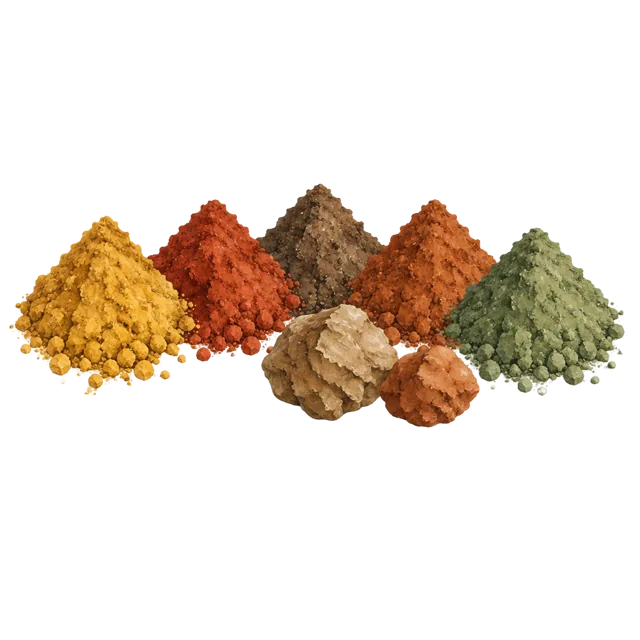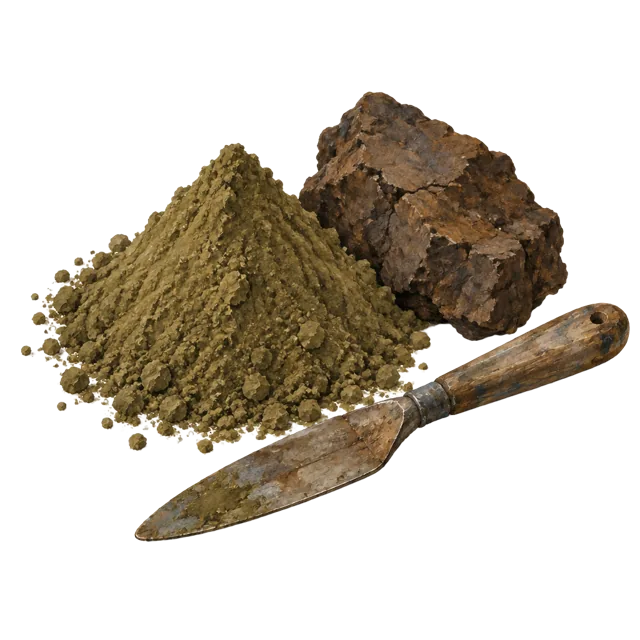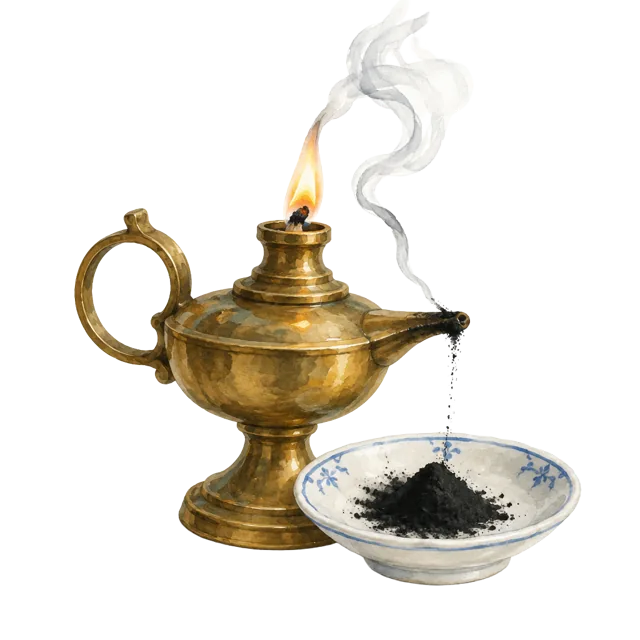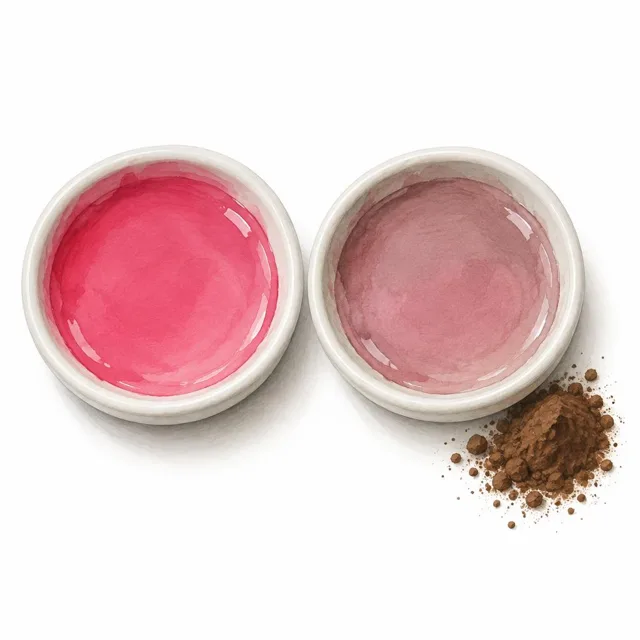
Decorators and colour designers have long talked about clean and dirty colours, sometimes calling the dirty ones muddy, dusty or knocked back. Many historic interiors were painted with and blacks that naturally softened colour, which is why so many heritage shades read as dirty, while modern high-strength pigments made very clean, vivid colours easy to mix.
A clean colour keeps most of its chroma (colour strength), so it looks crisp and stays fairly consistent from room to room. A dirty colour has some of that chroma taken away, usually by adding a little black, , grey or the complementary colour. The result is softer and more forgiving, and its undertone tends to shift more noticeably as daylight and lamp light change.
Dirty has nothing to do with stains, washability or quality. Our clean and dirty colours are equally durable and scrubbable. Neither is better: clean colours suit crisp, fresh schemes, while dirty colours suit calm, characterful and traditional rooms.
These articles explain pigment and mineral families, not the sourcing or complete formulation of any Cameron Colours paint. Historical names can cover different materials. Follow the product guidance and safety data for the paint you use; do not handle or heat raw pigment powders at home.