Why Is My Paint Cracking or Bubbling?
Bubbles and cracks are symptoms. Here is how to find the cause.
Bubbles and cracks look alike from across a room, but they have different causes. Blisters are paint lifting away from the surface, usually because of moisture, heat or a dirty surface underneath. Cracks are the paint film splitting, usually because it went on too thick, onto a surface that moves, or over an old coating that has become brittle. Tiny bubbles that appear while you are rolling are a separate, mostly harmless problem. Here is how to tell them apart and fix each one.
At a glance
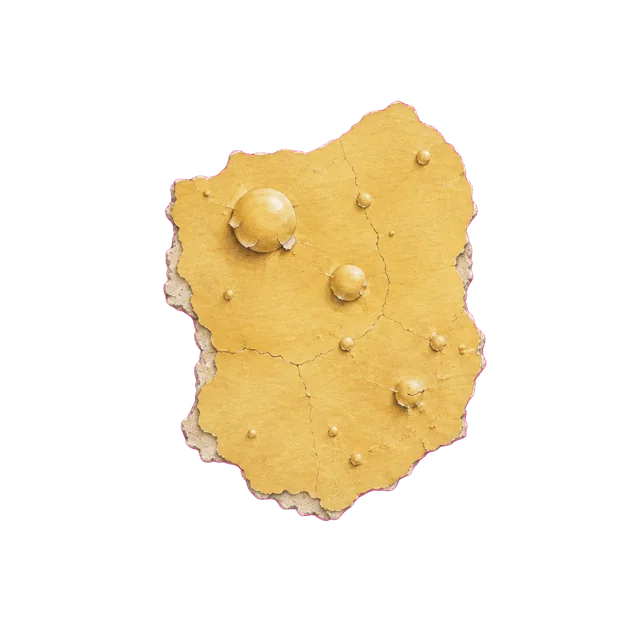
- Bubbles while rolling: usually overworking or the wrong roller, and they settle.
- Blisters after drying: moisture, heat or contamination underneath.
- Deep, mud-like cracks or fine crazing: usually coats that were too thick.
- Straight cracks along joints: the surface is moving and needs a flexible filler.
- Fix the cause, scrape back, prepare, then repaint in thin coats.
Bubbles while you are painting
Tiny bubbles from rolling usually settle out.
Small bubbles that appear as you roll are air worked into the paint by rolling too fast, pressing too hard, overworking an area or using a roller with the wrong pile. Most of them pop and level out within a few minutes. Our paints are self-levelling, flowing out as they dry so roller texture settles rather than drying in. If bubbles linger, lay off gently with a lightly loaded roller and never go back over paint that has started to dry.
Blisters after the paint has dried
Moisture, heat or dirt underneath lifts paint.
Blisters that appear hours or days later mean the paint has lost adhesion in patches. If they appear on a damp wall, after showers or where there is a leak behind, moisture is the cause. On woodwork or a door in full sun, heat may have lifted a freshly painted film. Blisters can also come from paint applied over dust, grease or a surface that was still damp from washing.
Fix the moisture first. Then cut or scrape the blisters back to a firm edge, sand the edges smooth, wash with sugar soap, rinse, let everything dry thoroughly and repaint in thin coats.
Cracking and crazing
Thick coats, movement and brittle old layers crack.
Mud cracking, deep irregular cracks like a dried riverbed, happens when paint is laid on far too thick, often in corners or over fresh filler. Fine crazing can come from a topcoat applied before the coat beneath was dry, or from old oil-based paint that has become brittle with age. Straight cracks along a joint, corner or ceiling line usually mean the surface itself is moving.
Sand or scrape cracked paint back until the surface is smooth and sound; if the cracking runs through many old layers, it is often quicker to strip them. Rake out moving joints and fill them with a flexible decorator's caulk rather than rigid filler, let fillers dry fully, then apply thin coats, 1–2 hours apart.
How our paint helps
Thin, even coats with high opacity and levelling.
High opacity means our paints cover well in thin coats: two full coats usually give the true colour, though a big colour change may need three. That removes the temptation to pile paint on, which causes so many cracks. They are self-levelling, so they flow into a smooth, even film, and on sound, clean, keyed surfaces they are self-priming.
Being honest, no paint stops blisters on a wet wall or cracks over a moving joint. Fix the cause, prepare well and give the finish its 7-day cure before heavy use or cleaning.
Sample it the way we would
Step 1
Paint your peel-and-sticks
Each £5.99 sample comes with three paintable peel-and-sticks. Give them two coats and let them dry fully.
Step 2
Stick them around the room
Put them on two or three walls, including the wall opposite the window, at eye level and lower down.
Step 3
Live with them for a day or two
Look in the morning, the afternoon and under your evening lamps. Move them around until you are sure.
Your questions, answered
Will paint bubbles go away on their own?
Small bubbles from rolling usually level out within minutes. Blisters that appear after drying will not; cut them back and repaint once the cause is fixed.
Why is my paint bubbling on the bathroom ceiling?
Almost always condensation. Improve ventilation, let the ceiling dry fully, scrape back the blisters and repaint with a paint made for bathrooms.
Bathroom Wall PaintCan I paint over cracked paint?
Only after sanding or scraping it back to a smooth, sound surface. Cracks in the old paint will show through and spread.
Why is paint cracking over filler?
Usually because the filler was not fully dry, or the paint went on too thick over it. Let filler dry, sand it smooth and paint thin coats.
Keep exploring
Why Is My Paint Peeling? Causes and Fixes
Paint rarely fails on its own. Find the cause, and the fix lasts.
Paint Still Tacky? Why Paint Won't Dry
Most tacky paint is fine. The conditions around it are not.
Radiator Paint Problems: Yellowing, Peeling and Sticky Paint
Radiators heat up and cool down every day. The paint has to cope.