Radiator Paint Problems: Yellowing, Peeling and Sticky Paint
Radiators heat up and cool down every day. The paint has to cope.
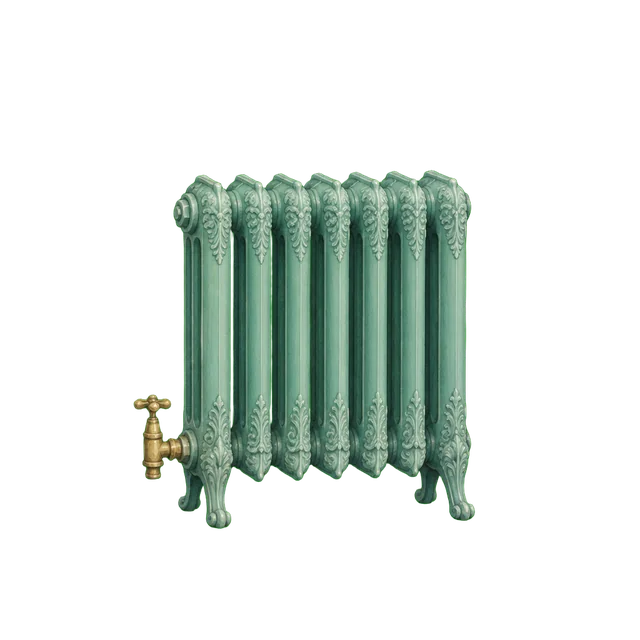
A radiator is one of the hardest jobs in the house for paint: it heats up, cools down and expands every day through the winter, and gets wiped, leant on and dried over. Most radiator paint problems come from one of four things: a paint not made for heat, a radiator that was still warm when it was painted, paint laid over rust or flaking layers, or heating turned up full before the paint had cured. Here is how to recognise each one and put it right.
At a glance
- Yellowing almost always means the wrong paint for the heat.
- Always paint a radiator when it is completely cold.
- Rust and flaking paint must come off, back to a sound surface.
- Leave the heating off for at least 24 hours, then bring it up gradually.
- Allow 7 days before drying clothes on a freshly painted radiator.
Yellowing and discolouring
Ordinary gloss and wall paint cannot handle heat.
Wall paint and ordinary gloss are not made for repeated heating and cooling, and pale colours in particular can yellow quickly on a hot surface. Once paint has yellowed, there is no cleaning it back. Key the surface with fine abrasive, clean it and repaint with a paint formulated for radiators. Our Radiator Paint is made to stay stable and resist yellowing under the heat of standard domestic radiators.
Peeling, flaking and rust
Rust and loose paint undermine the new coat.
Paint lifts from a radiator when it has gone over rust, grease, dust or old flaking layers, or onto a radiator that was still warm. Warm metal flash-dries paint, giving brush marks and poor adhesion. Rust spots coming through a new finish mean the metal underneath was not treated.
Turn the heating off and let the radiator cool completely. Sand flaking or bubbling paint back with 120 grit, finish with 320 grit and apply metal primer to any areas taken back to bare metal. On sound paint, a light key with 320 grit is all that is needed. Wipe the whole radiator down with sugar soap, rinse, dry, then apply two thin coats, 1–2 hours apart.
Sticky, soft or smelly paint
Heat too soon, or coats that were too thick.
A radiator that feels soft or sticky, or smells strongly when it first warms up, has usually had its heating turned up too soon or was painted too thickly, especially in the channels between the fins. Leave it off for at least 24 hours after the final coat, then turn the valve up gradually rather than straight to full. A slight smell the first few times it heats is normal as the paint cures; keep the room ventilated. Do not dry clothes on it or lean things against it for 7 days.
Cracks and bubbles
Thick coats and the wrong paint crack first.
Fine cracks usually mean coats that were too thick, a paint that cannot move with the metal as it heats, or paint applied over an old, brittle coating. Bubbles can be trapped solvent from heavy coats, rust lifting the paint from underneath, or heat applied too soon. Sand back to a sound, smooth surface and repaint in thin coats with a radiator paint.
How our Radiator Paint helps
Made for domestic heating, in every one of our colours.
Our Radiator Paint is formulated to remain stable under the heat produced by standard domestic radiators and to resist yellowing, in Matt or Satin and in every Cameron Colours shade, so a radiator can disappear into the wall or stand out as a feature. On sound, cleaned and keyed painted radiators it is self-priming; bare metal still needs a metal primer. Like all our paints, it reaches full adhesion and hardness over 7 days.
Sample it the way we would
Step 1
Paint your peel-and-sticks
Each £5.99 sample comes with three paintable peel-and-sticks. Give them two coats and let them dry fully.
Step 2
Stick them around the room
Put them on two or three walls, including the wall opposite the window, at eye level and lower down.
Step 3
Live with them for a day or two
Look in the morning, the afternoon and under your evening lamps. Move them around until you are sure.
Your questions, answered
Why is my radiator paint turning yellow?
Because a paint not made for heat was used. Standard gloss and wall paint yellow under repeated heating. Key, clean and repaint with a radiator paint.
Can I paint a radiator while it is warm?
No. Turn the heating off and let it cool completely. Warm metal dries paint too fast, causing brush marks and poor adhesion.
When can I turn the heating back on after painting?
Leave it off for at least 24 hours after the final coat, then turn it up gradually rather than straight to full heat.
Does painting a radiator reduce its heat output?
Not noticeably. A coat of paint adds only a very thin layer, and the difference in heat output is negligible.
Keep exploring
Why Is My Paint Peeling? Causes and Fixes
Paint rarely fails on its own. Find the cause, and the fix lasts.
Why Is My Paint Cracking or Bubbling?
Bubbles and cracks are symptoms. Here is how to find the cause.
Paint Still Tacky? Why Paint Won't Dry
Most tacky paint is fine. The conditions around it are not.