Problem Solving
Stuck halfway through a job, or looking at a wall that hasn’t turned out the way you hoped? Find what went wrong and how to put it right, properly, so it stays right.
We started Cameron Colours because we were tired of paint that let us down, so we know how it feels when a job doesn’t go to plan. Most painting problems have a clear cause: the surface, the conditions or the way the paint went on. Each guide helps you work out which, then walks you through the fix in plain English, honestly, including where no paint, ours included, can do the job for you.
The finish doesn't look right
Patchy walls, stripey ceilings, drips, brush marks and stains that keep coming back.
Patchy Paint
Patchy paint usually means the wall underneath is uneven, not the paint.
Read the fix
Roller Marks & Stripes
Stripes are a record of how the paint went on. Change that, and they go.
Read the fix
Drips & Runs
Catch a run in the first few minutes, or leave it to harden and sand it flush.
Read the fix
Brush Marks & Picture Framing
A little brush texture is character. Ridges and frames are technique.
Read the fix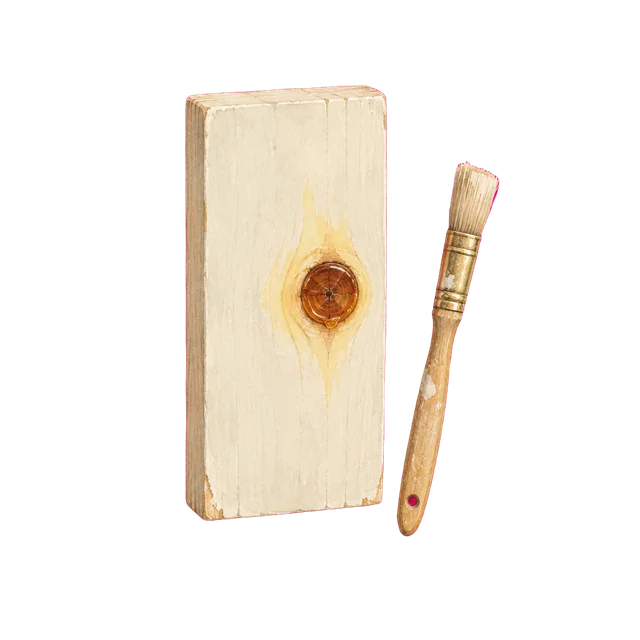
Stains Coming Through
You cannot paint a stain away. You have to seal it in.
Read the fixPeeling, cracking or not drying
Paint lifting off, cracking, bubbling or staying sticky, and new plaster done right.
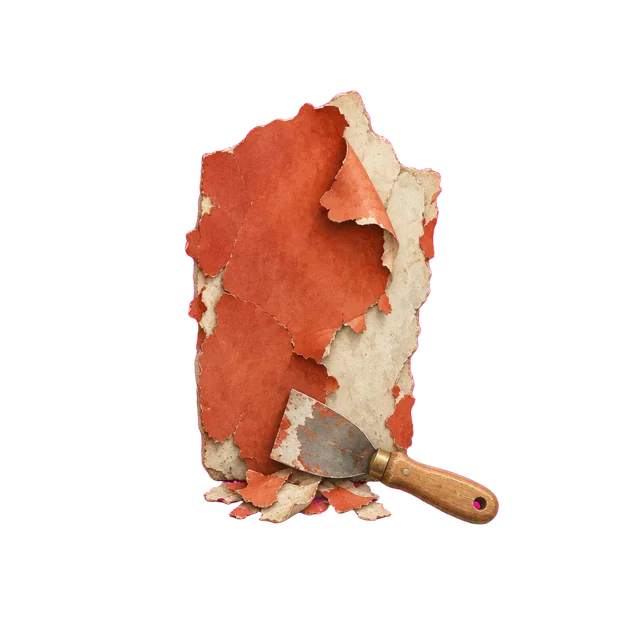
Peeling Paint
Paint rarely fails on its own. Find the cause, and the fix lasts.
Read the fix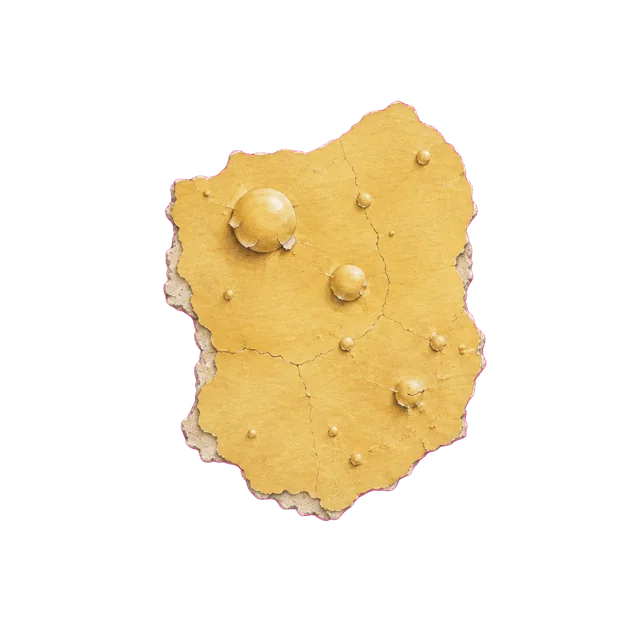
Cracking & Bubbling Paint
Bubbles and cracks are symptoms. Here is how to find the cause.
Read the fix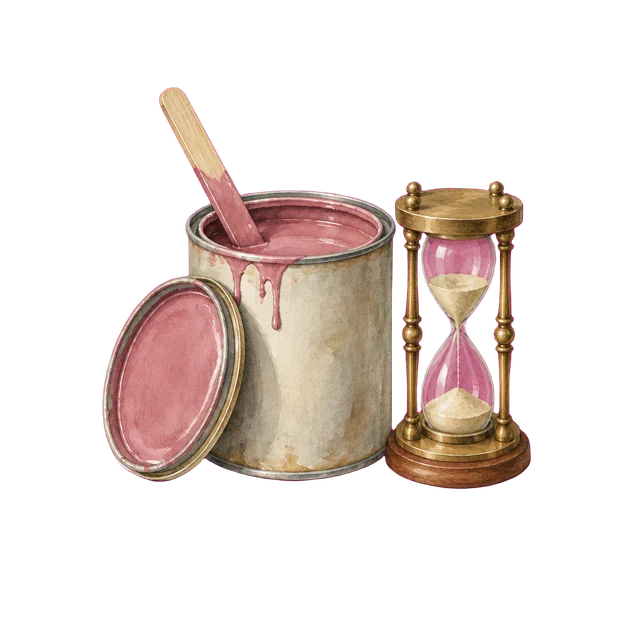
Tacky Paint
Most tacky paint is fine. The conditions around it are not.
Read the fix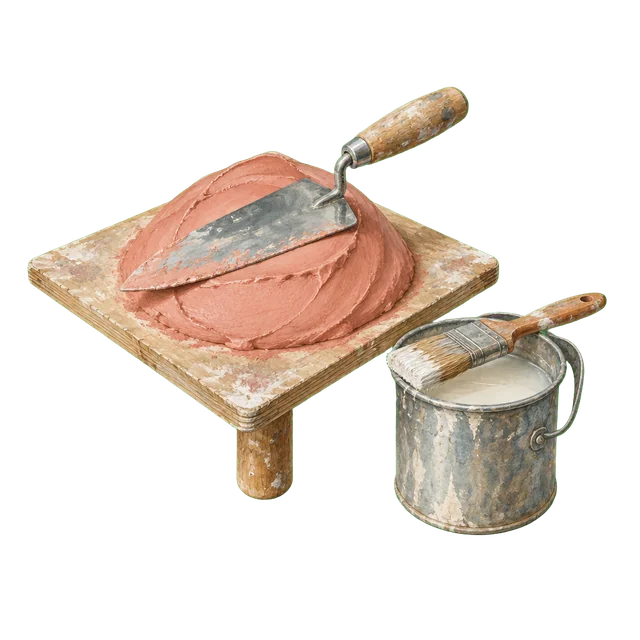
Mist Coat & New Plaster
Every paint needs a mist coat on new plaster. Ours too.
Read the fixParticular surfaces and rooms
Cabinets, flat-pack, bathrooms, radiators, uPVC, garage doors, garden wood and pots.
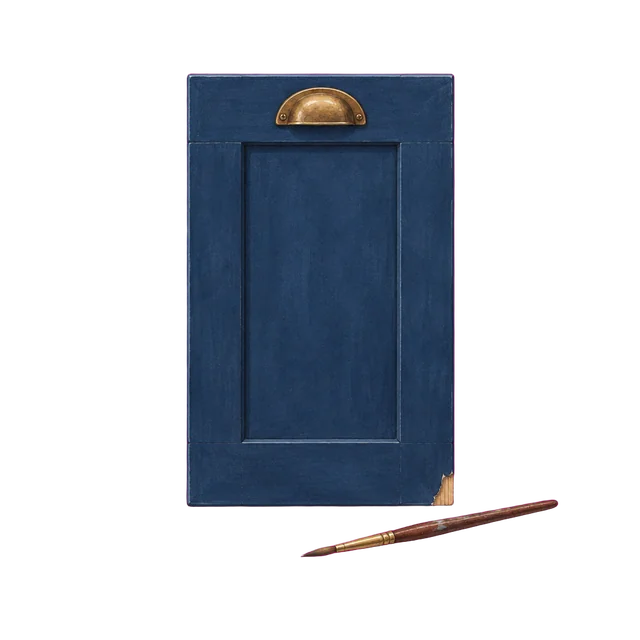
Chipping Cabinet Paint
Kitchen doors are working surfaces. Treat them like one.
Read the fix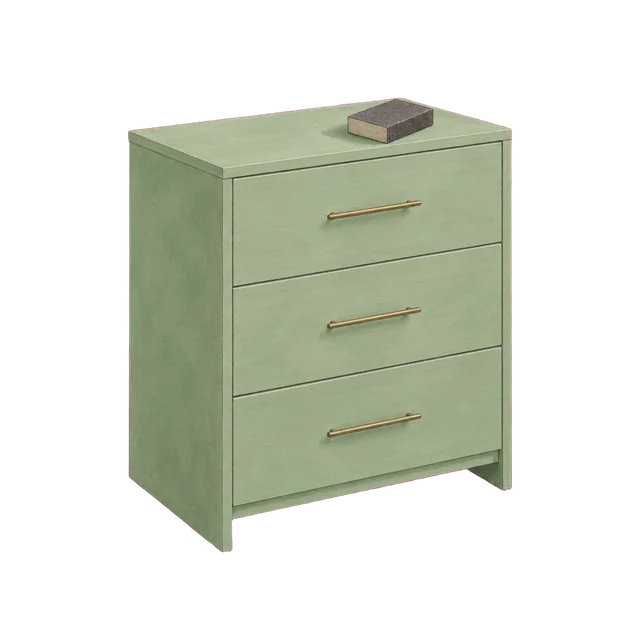
Laminate Paint Peeling
Laminate is made to repel things. Paint has to be given a grip.
Read the fix
Bathroom Ceiling Peeling & Mould
Steam rises, ceilings are cold. Fix the air first, then the paint.
Read the fix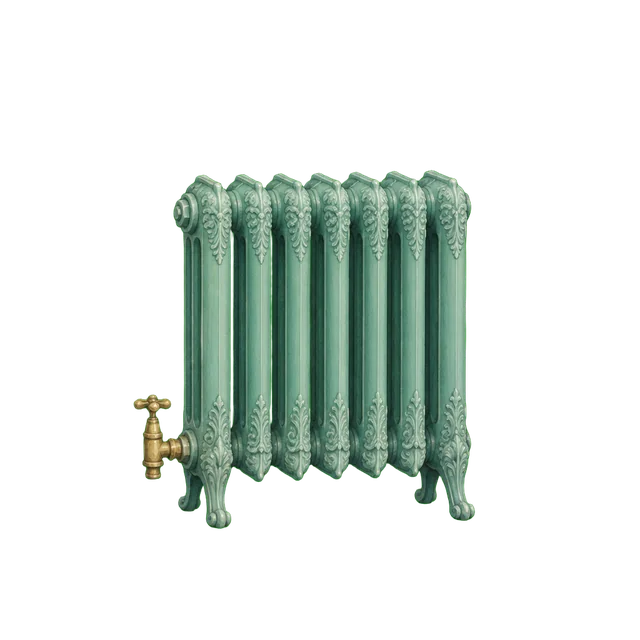
Radiator Paint Problems
Radiators heat up and cool down every day. The paint has to cope.
Read the fix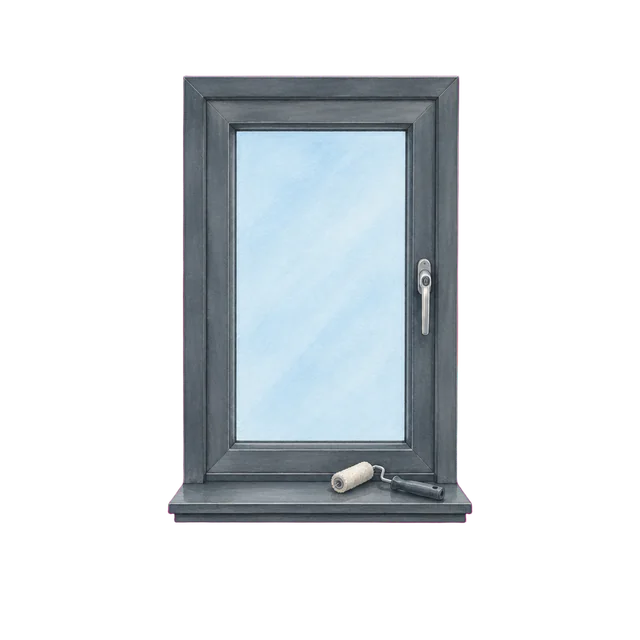
Peeling uPVC Paint
Plastic gives paint nothing to grip unless you prepare it.
Read the fix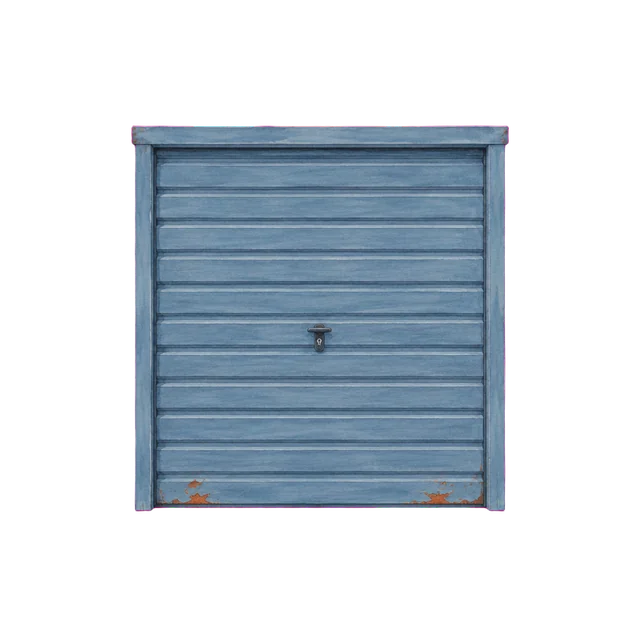
Garage Door Paint Peeling
Most garage door failures start with rust or a surface that was never prepared.
Read the fix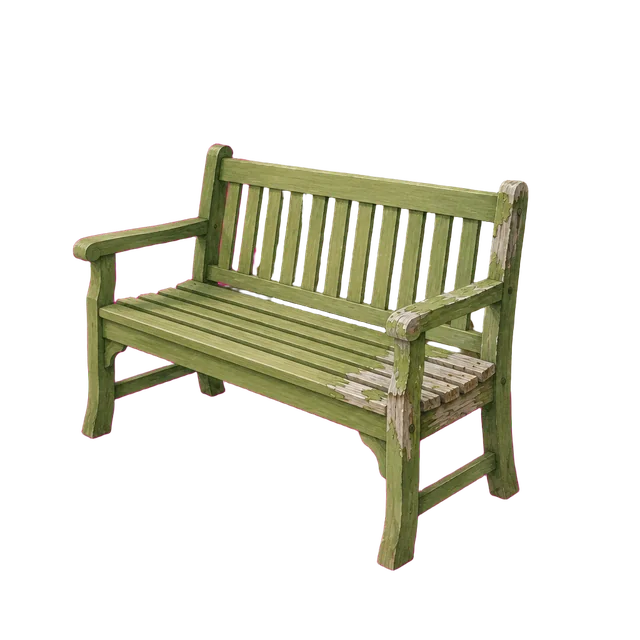
Garden Furniture & Fence Problems
Outdoor wood fails from the surface down. Prepare the wood, not just the paint.
Read the fix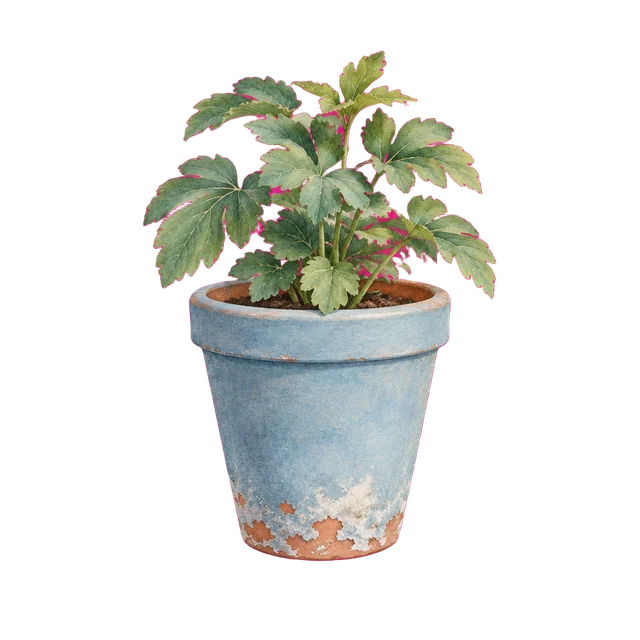
Plant Pot Paint Peeling
Terracotta drinks water from the inside. Stop it, and the paint stays put.
Read the fixWhy fewer things go wrong with our paint
Good preparation does most of the work. These three things make the rest easier, especially on difficult surfaces and big colour changes.
Self-priming
Our paints are self-priming: they bond directly to sound surfaces that have been correctly cleaned and keyed, without a separate primer. That matters most on difficult surfaces such as melamine, laminate, uPVC and previously painted cabinets. Adhesion keeps building as the paint cures, and full adhesion develops over the 7-day cure time, so a fresh paint film is still fragile, especially on difficult surfaces like melamine. Handle it gently, avoid knocks, heavy use and cleaning for that first week. New plaster still needs a mist coat, and bare wood, MDF, stains or solvent-based finishes may still need a primer; the preparation guide explains when.
Self-levelling
Our paints are self-levelling: as they dry, they flow out into a smooth, even film, so roller texture settles rather than drying in. When applied with a brush, they are designed to leave a slight brush-mark texture, because a hand-painted appearance is often exactly what people want on cabinets, furniture and woodwork.
High opacity
High pigment loading gives our paints high opacity: colour builds quickly and evenly and hides what is underneath, which helps most on difficult surfaces and big colour changes. Two full coats usually give the true colour, but three coats may be necessary depending on the surface and how the paint is applied, for example a pale colour over a dark one, or a porous or patchy surface.