Roller Marks and Stripey Walls or Ceilings: Causes and Fixes
Stripes are a record of how the paint went on. Change that, and they go.
You finish the ceiling, the sun comes round, and there they are: stripes, lines and bands you never saw while you were painting. Roller marks are one of the most searched decorating problems for good reason, and they are rarely the fault of bad luck. They come from paint drying at different thicknesses, or from rolling into paint that has already started to tack off. Here's how to read them, fix them and keep them away.
At a glance
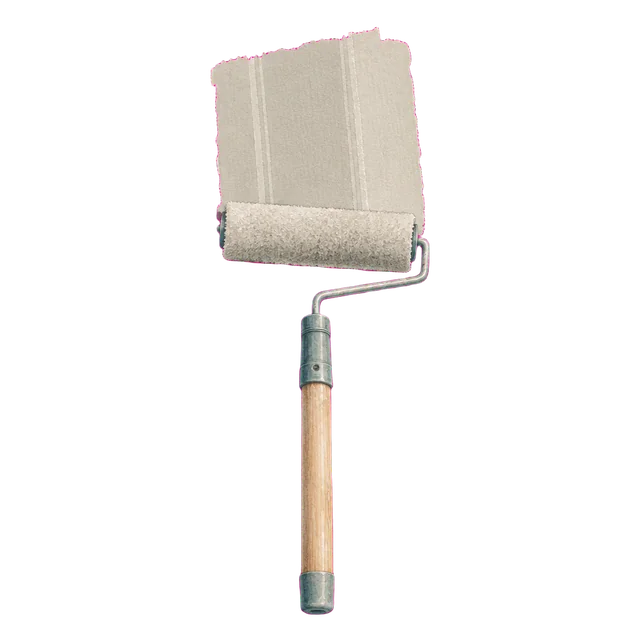
- Wide bands are lap marks: fresh paint rolled over paint that had begun to dry.
- Thin parallel lines (tramlines) are ridges of paint left by the roller ends.
- Fix with a full, even coat over the whole wall or ceiling, not a touch-up.
- If ridges need sanding, lightly sand the whole surface so the texture stays even.
- Keep a wet edge, lay off in one direction towards the window and use a very low sheen.
Which kind of roller marks do you have?
Run your fingers across them: ridges or just sheen?
Look at the surface with light coming across it, from the window or a torch held flat to the wall. Wide, soft-edged bands that follow the sections you rolled are lap marks: fresh paint went over paint that had started to dry, so those overlaps have a double thickness and a different sheen. Thin, sharp lines, often in pairs, are tramlines: ridges of paint squeezed out at the ends of the roller sleeve when it was overloaded or pressed too hard.
Now run your fingertips lightly across the marks. If you can feel ridges, it is a thickness problem. If the surface feels smooth but looks uneven, it is a sheen problem. Patches that match your repairs are flashing, which has its own fix in our patchy paint guide.
Why stripes appear, especially on ceilings
Dry edges, overloaded rollers and raking light.
The commonest cause is losing the wet edge: stopping for a break, rolling in random patches, or working in a warm, dry room where the paint tacks off quickly. Rolling back over paint that has started to set drags it and leaves a band. A roller running low on paint and pressed harder leaves thin stripes; an overloaded one leaves tramlines. The wrong sleeve matters too: too short a pile for the surface starves it, too long a pile leaves heavy texture.
Ceilings show everything because light from the window skims straight across them. A large, unbroken ceiling in a bright room is the hardest surface in the house to get perfect, and the more sheen the paint has, the more the light picks out every difference.
How to fix roller marks properly
One full coat over everything, never just the stripes.
If the marks are only a sheen difference, the fix is usually one more full coat over the entire wall or ceiling, applied carefully with a wet edge. Do not try to roll over just the stripes: touching up a dried surface creates more lap marks.
If you can feel ridges or tramlines, let the paint dry fully first. Then lightly sand the whole wall or ceiling with a fine abrasive on a sanding pad or pole sander, not just the ridges. Sanding only the tramlines leaves smooth strips next to textured ones, and that difference in texture shows through the next coat. Dust off thoroughly, wipe with a barely damp cloth, let it dry and apply a full coat to the whole surface.
How to avoid stripes next time
Wet edge, even loading, light pressure, one direction.
Plan to finish each wall or the whole ceiling in one session, with the room shut against draughts and direct sun while you work. Cut in a section, then roll it straight away while the edge is still wet. Load the roller evenly from a tray and roll off the excess, apply in a W, fill it in without lifting the roller, then lay off with light pressure in parallel strokes. On a ceiling, start at the window wall and lay off towards the light, so any texture runs with the light rather than across it.
Use a good medium-pile sleeve for normal walls and ceilings, keep it loaded, and let the roller do the work rather than pressing harder as it dries. Light pressure on the final pass is what stops tramlines forming.
Where our paint helps, and where it cannot
Self-levelling and Dead Matt make stripes far less likely.
Our Wall & Ceiling Paint is self-levelling, so the paint flows out as it dries and small differences in roller texture settle rather than setting hard. High opacity means you are not tempted to pile on heavy coats to hide the old colour, and our Dead Matt finish reflects so little light that it is the most forgiving choice for bright ceilings. It cannot keep a wet edge for you, though: rolling into paint that has already tacked off will mark any paint.
Sample it the way we would
Step 1
Paint your peel-and-sticks
Each £5.99 sample comes with three paintable peel-and-sticks. Give them two coats and let them dry fully.
Step 2
Stick them around the room
Put them on two or three walls, including the wall opposite the window, at eye level and lower down.
Step 3
Live with them for a day or two
Look in the morning, the afternoon and under your evening lamps. Move them around until you are sure.
Your questions, answered
Can you paint over roller marks?
Yes, with a full, even coat over the whole wall or ceiling. If you can feel ridges, lightly sand the whole surface first so the texture is consistent.
Should I sand out tramlines?
Only lightly, and over the whole wall or ceiling. Sanding just the lines leaves strips of different texture that show through the next coat.
Which way should I roll a ceiling?
Lay off the final strokes in one direction, towards the main window, so any roller texture runs with the light.
Why do roller marks only show in daylight?
Side light skims across the surface and picks out small differences in thickness and sheen that overhead light hides.
Keep exploring
Why Is My Paint Patchy? How to Fix Uneven Walls and Ceilings
Patchy paint usually means the wall underneath is uneven, not the paint.
Brush Marks and Picture Framing: How to Get an Even Finish
A little brush texture is character. Ridges and frames are technique.
Paint Drips and Runs: How to Fix and Prevent Them
Catch a run in the first few minutes, or leave it to harden and sand it flush.