Why Is My Paint Patchy? How to Fix Uneven Walls and Ceilings
Patchy paint usually means the wall underneath is uneven, not the paint.
Few things are as dispiriting as stepping back from a freshly painted wall and seeing blotches. The good news is that most patchiness has one of a handful of causes, and almost all of them come down to the surface drinking paint unevenly or the paint going on at different thicknesses. First, check you're not looking at paint that is simply still drying. Then work out which kind of patchy you have, because the fix is different for each.
At a glance
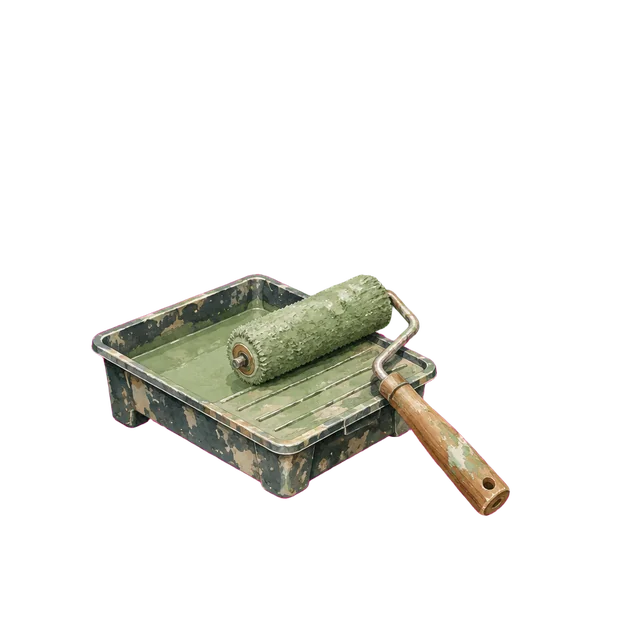
- Wet paint often looks patchy. Judge it only once it is fully dry.
- Dull or shiny patches over filler and repairs are "flashing": the surface absorbed unevenly.
- Every paint needs a mist coat on new or bare plaster, ours included.
- Two coats usually do it; three may be needed for big colour changes.
- Roll each wall in one go, keeping a wet edge, and never touch up a single patch.
Is it patchy, or is it still drying?
Paint changes colour as it dries. Wait before you worry.
Water-based paint dries from the outside in and from thin areas first, so for a while a wall can look mottled, darker in some places and lighter in others. That is normal. Ours is touch dry in about 30 minutes, but the colour keeps settling for a couple of hours, and longer in a cold or humid room. Leave it, keep the room ventilated and look again once it is completely dry, in daylight.
If the patches are still there when the paint is fully dry, look closely at their shape. Patches that match your repairs, filler or plasterboard joins point to uneven absorption. Patches in bands or stripes point to how the paint went on. Patches where the old colour shows through point to opacity: there simply is not enough paint there yet.
Dull or shiny patches over repairs ("flashing")
Filler and bare plaster drink paint and dry differently.
Filler, bare plaster and new plasterboard are far more absorbent than the painted wall around them. They draw the binder out of the first coat, so those areas dry duller, or sometimes shinier, than the rest of the wall. Decorators call this flashing. It is a sheen problem rather than a colour problem, and it shows most when light rakes across the wall.
The fix is to even out the absorbency before the finishing coats. Sand filler flush, dust it off, and seal each repair with a thinned coat of the wall paint before you paint the whole wall; on new or bare plaster, mist coat the entire surface. Then apply full coats over the whole wall, corner to corner. A lower sheen also helps: Dead Matt reflects so little light that small sheen differences are much harder to see than on a Matt or Eggshell.
The old colour is still showing through
High opacity helps; big colour changes need full coats.
When you go from a dark colour to a light one, or from a strong colour to a soft one, the first coat will always look patchy, because it cannot hide everything underneath on its own. The cure is enough paint, evenly spread: a properly loaded roller, a full coat and the right recoat time before the next. Spreading the paint too thin to make it go further is the most common reason a wall still looks patchy after two coats.
Our paints are made with high opacity, so two coats usually give a solid, even colour. Depending on the surface, the colour change and how the paint is applied, three coats may still be necessary. Leave 1–2 hours between coats and judge only the dried result.
Patches from how the paint went on
Uneven thickness and dried edges show up as blotches.
Patches also come from uneven film thickness: a roller running low on paint and being pushed harder, a heavily loaded roller in some places and a nearly dry one in others, or rolling back into paint that has already started to tack off. Load the roller evenly from a tray, apply in a W, fill it in, then lay off lightly in one direction. Finish each wall in one session so you are always rolling into wet paint.
Avoid touching up single patches once the wall is dry. A dab of paint on a dried wall almost always shows, because it has a different thickness and texture. If a wall still looks patchy, apply another full coat to the whole wall, corner to corner.
Where our paint helps, and where it cannot
Opacity and self-levelling help; preparation still matters.
High opacity means fewer coats for a big colour change, and self-levelling means the paint flows out evenly as it dries rather than leaving thick and thin areas. Our Dead Matt finish hides small sheen differences that would show on shinier paints. None of that changes how a surface absorbs paint: new plaster still needs a mist coat, and filler still needs sealing. Always test your colour with a sample first, on the wall you are painting.
Sample it the way we would
Step 1
Paint your peel-and-sticks
Each £5.99 sample comes with three paintable peel-and-sticks. Give them two coats and let them dry fully.
Step 2
Stick them around the room
Put them on two or three walls, including the wall opposite the window, at eye level and lower down.
Step 3
Live with them for a day or two
Look in the morning, the afternoon and under your evening lamps. Move them around until you are sure.
Your questions, answered
Is it normal for paint to look patchy when drying?
Yes. Paint dries unevenly and looks mottled until it is completely dry. Judge it once fully dry, in daylight, before deciding on another coat.
Will a second coat fix patchy paint?
Usually, as long as it is a full, even coat over the whole wall. If the patches follow your repairs, seal those first or they can flash through again.
How many coats of paint do I need?
Two coats usually give a solid colour with our paint. Big colour changes, absorbent surfaces or thin application may need three. New plaster needs a mist coat first.
Why is my ceiling patchy?
Ceilings are lit from the side by the window, which shows every difference in sheen and thickness. Keep a wet edge, lay off towards the light and use a very low-sheen finish.
Roller marks and stripey ceilingsKeep exploring
Roller Marks and Stripey Walls or Ceilings: Causes and Fixes
Stripes are a record of how the paint went on. Change that, and they go.
Mist Coat: How to Paint New Plaster Without It Peeling
Every paint needs a mist coat on new plaster. Ours too.
Brush Marks and Picture Framing: How to Get an Even Finish
A little brush texture is character. Ridges and frames are technique.