Garden Furniture or Fence Paint Flaking or Patchy? Causes and Fixes
Outdoor wood fails from the surface down. Prepare the wood, not just the paint.
Outdoor timber lives a hard life: soaked, dried, baked by the sun and frozen, year after year. When paint flakes off a garden bench, or fence stain dries patchy and blotchy, it's usually down to the wood rather than the coating: timber that was wet when it was painted, a grey, weathered surface that was never sanded back, or old coatings and growth left underneath. Here's what to look for and how to put it right.
At a glance
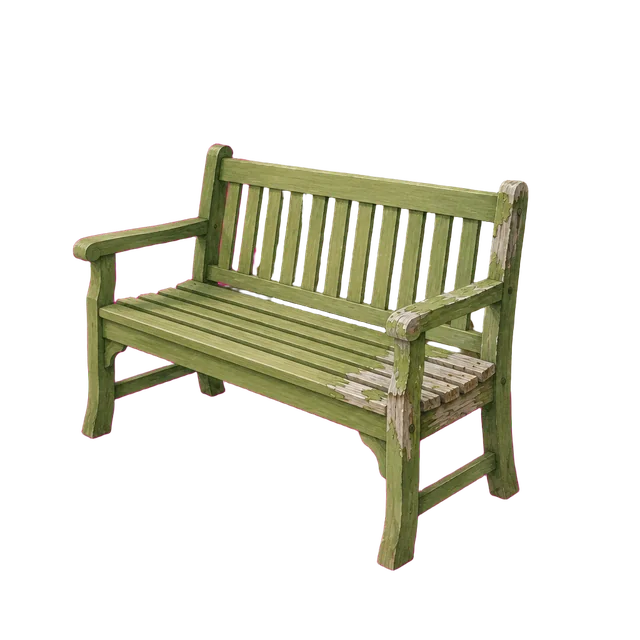
- Wet timber is the commonest cause of flaking: let it dry out first.
- Grey, weathered fibres come away and take the paint with them: sand back to sound wood.
- Patchy fence stain usually means uneven timber, old treatments or wet boards.
- Clean off algae and dirt, rinse and dry before you start.
- Work in dry weather, out of hot sun, with no rain due until it has dried.
Why paint flakes off garden furniture
Moisture and weathered wood fibres under the coating.
Timber that is damp when it is painted keeps trying to dry out through the coating and pushes it off. End grain, the cut ends of legs and slats, soaks up water like a sponge, which is why flaking so often starts at the feet of a bench or the ends of slats. Furniture left standing on wet grass or soil stays damp year round.
The other big cause is weathered timber. Bare wood left in the sun for even a few weeks turns grey as UV breaks down its surface. Those grey fibres are only loosely attached; painted over, they let go and take the coating with them. Any grey, weathered surface must be sanded back to clean, sound wood before painting.
Why fence stain looks patchy
Rough timber absorbs unevenly; old treatments block it.
Rough-sawn fence boards absorb stain unevenly, so some boards and knots drink more and look darker. Patches of old stain, preservative or paint stop new stain soaking in and show as lighter areas. New pressure-treated timber is often still wet from treatment, so let it dry out before staining, following its supplier’s guidance. Staining in hot sun dries the stain before it can soak in evenly, leaving lap marks along the boards.
Work board by board along the full length, with the grain, keeping a wet edge, and stain in mild, dry, overcast conditions. Expect natural variation between boards: it is timber, not plastic.
How to prepare outdoor timber properly
Clean, dry, sand back and remove anything loose.
Scrub off dirt, algae and moss with a stiff, non-metallic brush and an exterior cleaner, following its label, then rinse and let the timber dry thoroughly, ideally for several dry days. Scrape off all loose and flaking coatings and sand any grey, weathered wood back to bright, sound timber, working with the grain. Do not use wire brushes or steel wool on wood. Cut out any soft, rotten wood and repair it.
Pay extra attention to end grain, joints and the feet of furniture, which take in the most water, and raise furniture off soil and grass where you can. Paint or stain on a dry day, above 10 °C and out of hot sun, with no rain due until it has dried.
Where our paint helps, and where it cannot
Made for outdoor exposure, but it cannot dry wet wood.
Our Garden Furniture Paint is a UV-resistant exterior finish with smooth flow around slats and joints, and our Fence Stain is a UV-stable timber treatment made for boards and panels. Both are made for outdoor exposure. Our exterior paints are flexible, not breathable, which makes dry, sound, well-prepared timber all the more important: neither can dry out wet wood or hold weathered fibres in place. High opacity in the paint usually gives solid colour in two coats, though three may be needed.
Sample it the way we would
Step 1
Paint your peel-and-sticks
Each £5.99 sample comes with three paintable peel-and-sticks. Give them two coats and let them dry fully.
Step 2
Stick them around the room
Put them on two or three walls, including the wall opposite the window, at eye level and lower down.
Step 3
Live with them for a day or two
Look in the morning, the afternoon and under your evening lamps. Move them around until you are sure.
Your questions, answered
Why is paint flaking off my garden bench?
Usually moisture in the wood, especially through end grain, or grey weathered fibres that were painted over. Sand back to sound, dry timber and repaint.
Why is my fence stain patchy?
Rough boards absorb unevenly, old treatments block new stain, and hot sun dries it too fast. Stain board by board in mild, dry weather.
Can I paint new treated fence panels straight away?
Often not. New pressure-treated timber can still be wet from treatment; let it dry out first and follow the supplier’s guidance.
Do I need to sand grey wood before painting?
Yes. Grey, weathered fibres are loosely attached and will come away with the paint. Sand back to clean, sound wood.
Keep exploring
Why Is My Paint Peeling? Causes and Fixes
Paint rarely fails on its own. Find the cause, and the fix lasts.
Why Is My Paint Cracking or Bubbling?
Bubbles and cracks are symptoms. Here is how to find the cause.
Paint Peeling Off Plant Pots? How to Paint Terracotta and Ceramic
Terracotta drinks water from the inside. Stop it, and the paint stays put.