Paint Peeling Off Plant Pots? How to Paint Terracotta and Ceramic
Terracotta drinks water from the inside. Stop it, and the paint stays put.
Painting plant pots is one of the most satisfying small jobs there is, and one of the most searched. It's also one of the most likely to disappoint, because terracotta is porous. Water from the soil soaks through the clay and pushes paint off from behind, often bringing white salt deposits with it. Glazed ceramic has the opposite problem: it is so smooth that paint struggles to grip. Here's how to deal with both.
At a glance
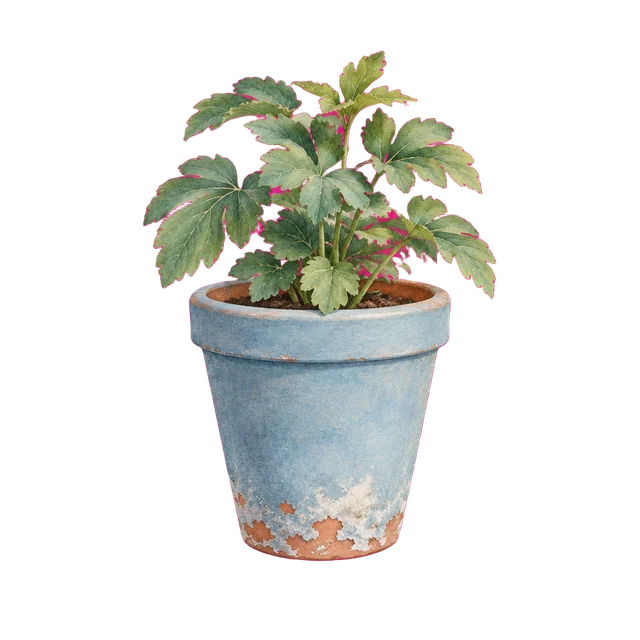
- Water from the soil travels through terracotta and pushes paint off from behind.
- White, powdery bloom is salt carried out of the clay by water.
- Clean the pot, let it dry for a day or two, and seal the inside first.
- Glazed pots are smooth: degrease and key them so paint can grip.
- Keep drainage clear and raise pots off the ground in winter.
Why paint peels off terracotta
Moisture and salts push through from the inside.
Unglazed terracotta is porous, which is why plants like it: the clay lets water and air pass through. Paint the outside, then fill it with damp compost, and that water travels through the clay until it reaches the paint and pushes it off, usually as bubbles first and then flakes. It often brings dissolved salts with it, which dry as a white, powdery bloom on or under the paint. Frost makes it worse, because water in the clay expands as it freezes.
How to prepare a pot for painting
Clean, dry thoroughly, seal the inside, then paint the outside.
Scrub the pot clean, removing soil, moss and any white salt bloom with a stiff brush and water, then let it dry thoroughly, for at least a day or two indoors. Painting damp clay traps the water in. Seal the inside of a terracotta pot with a sealer made for porous clay or masonry, following its instructions, so water from the compost cannot reach the painted outside. Leave the drainage hole clear.
Glazed ceramic needs different preparation: degrease it, then key the glaze with a fine abrasive until it is evenly dull, and wipe away the dust. Check every pot for cracks first, because paint will not hold a cracked pot together through a frost.
Fixing a pot that is already peeling
Strip it back, dry it out, then seal and repaint.
Empty the pot, scrape and brush off all loose paint and salt bloom, and let it dry out completely, which may take several days for a pot that has been planted. Then seal the inside and repaint the outside in thin coats, 1–2 hours apart. Before replanting, let the paint cure as long as you can, ideally the full 7 days.
In winter, stand pots on pot feet so water drains away rather than soaking up from a wet patio, and move small pots under cover in hard frosts.
Where our paint helps, and where it cannot
Weatherproof outside, but water from inside needs stopping.
Our Ceramic Plant Pot Paint is a weatherproof finish with smooth flow around curves and rims, made for refreshing suitable ceramic and terracotta pots. High opacity usually gives solid colour in two coats, though three may be needed on absorbent clay. What no paint on the outside can do is stop water coming through from the soil inside, so sealing the inside and letting the pot dry before painting matter just as much as the paint.
Sample it the way we would
Step 1
Paint your peel-and-sticks
Each £5.99 sample comes with three paintable peel-and-sticks. Give them two coats and let them dry fully.
Step 2
Stick them around the room
Put them on two or three walls, including the wall opposite the window, at eye level and lower down.
Step 3
Live with them for a day or two
Look in the morning, the afternoon and under your evening lamps. Move them around until you are sure.
Your questions, answered
Why is the paint peeling off my terracotta pot?
Water from the compost is passing through the porous clay and pushing the paint off from behind. Seal the inside before painting the outside.
What is the white powder on my painted pot?
Salts carried out of the clay by water, often called efflorescence. Brush it off, let the pot dry and seal the inside.
Should I seal terracotta pots before painting?
Seal the inside, so water from the soil cannot reach the paint. Leave the drainage hole clear.
Can I paint glazed ceramic pots?
Yes, once the glaze has been degreased and keyed with a fine abrasive so the paint has something to grip.
Keep exploring
Garden Furniture or Fence Paint Flaking or Patchy? Causes and Fixes
Outdoor wood fails from the surface down. Prepare the wood, not just the paint.
Why Is My Paint Peeling? Causes and Fixes
Paint rarely fails on its own. Find the cause, and the fix lasts.
Why Is My Paint Cracking or Bubbling?
Bubbles and cracks are symptoms. Here is how to find the cause.