Orders open mid-November
Pastel Paint Colours
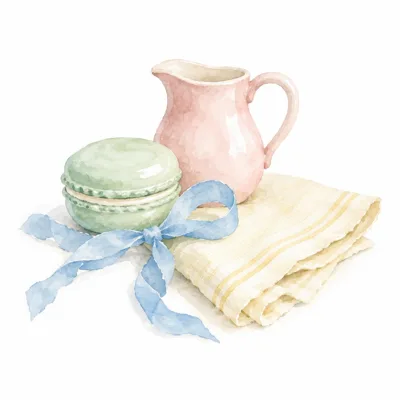
Pastels are colours lightened well towards white, so they bring colour into a room without the weight of a mid or deep shade. The modern way with them is soft, slightly dusty and grounded with a deeper note, rather than sugary.
A pastel is a colour lightened well towards white: soft, light and low in intensity. Because pastels share that pale base, they sit comfortably together, which is why House Beautiful calls them ready-made colour combinations. Designer Sophie Robinson describes today's pastels as soft, dusty and a little dirty, at home in grown-up rooms rather than only the nursery. The trick is to stop them turning saccharine: give them texture, a grounding deeper colour or a touch of black, and choose the undertone to suit your light.
At a glance
- Character
- Light, soft and low intensity. Pastels bring colour without the weight of a mid or deep shade. Dusty pastels read calm and grown-up; cleaner ones read fresh.
- Best rooms
- Bedrooms, bathrooms and small rooms. Pale colours reflect plenty of light, so pastels suit rooms that need brightness without the starkness of white.
- North light
- Choose warmer pastels. Cool, even north light can make blue and lilac pastels feel chilly. Blush, apricot, cream and yellow-leaning greens hold their warmth.
- South light
- Cooler pastels balance sun. Strong, warm south light suits pale blues, greens and lilacs, which stay fresh rather than washing out.
- East light
- Bright mornings, cooler afternoons. Pastels glow in morning sun, then read cooler later. Check them in the afternoon if you use the room then.
- West light
- Cool mornings, golden evenings. Evening sun warms pastels considerably. Check the morning look too, when the light is flatter and cooler.
- Pairs with
- Other pastels, deep accents, timber. Layer pastels from one family, then ground them with a deeper colour, natural wood, rattan or a little black.
- Sample tip
- Look in your own evening light. Pale colours shift a lot between daylight and lamps. Paint two coats on a sampler and check it morning and night.
Tap any tile to read more.
Blush and soft pinks
Warm, flattering pinks for bedrooms and north light.
Soft pinks are among the warmest pastels, which makes them a good answer for rooms that receive cool north light. The dustier the pink, the more grown-up it reads; clean pinks feel brighter and younger.
Pale blues and greens
Fresh, calm pastels that suit bright, sunny rooms.
Pale blues and greens are the classic calm pastels. They are at their best in rooms with plenty of warm daylight, where their coolness balances the sun. In north-facing rooms, lean towards the greener, warmer versions.
Apricot, lemon and soft lilac
Sunny and soft-lilac pastels for gentle character.
Apricot and pale lemon add sunshine to dim rooms. Soft lilac-greys sit between warm and cool and pair well with both. Ground any of them with timber or a deeper shade so the room feels considered.
Keeping pastels grown-up
Texture, deeper accents and black stop pastels turning sweet.
Designers keep pastels sophisticated in three ways: mixing in texture such as timber, rattan and linen; layering shades from one colour family with one deeper grounding note; and adding small amounts of black or charcoal. Contemporary shapes stop the look drifting into nostalgia.
Pastels also suit woodwork and furniture. A pale colour on a dresser or bedside table is a low-commitment way to try one before painting a whole room.
Sample it the way we would
Step 1
Paint your peel-and-sticks
Each £5.99 sample comes with three paintable peel-and-sticks. Give them two coats and let them dry fully.
Step 2
Stick them around the room
Put them on two or three walls, including the wall opposite the window, at eye level and lower down.
Step 3
Live with them for a day or two
Look in the morning, the afternoon and under your evening lamps. Move them around until you are sure.
Your questions, answered
What is a pastel colour?
A tint: a colour lightened well towards white, so it is light and low in intensity.
Do pastels work in north-facing rooms?
Yes, if you choose warmer ones such as blush, apricot and cream. Cool blue pastels can feel chilly in north light.
North-facing room coloursHow do I stop pastels looking childish?
Choose slightly dusty shades, add texture and timber, and ground the scheme with one deeper colour or a little black.
Can I mix different pastels?
Yes. Pastels share a pale base, so they layer comfortably. Keep one as the main wall colour and use the others in smaller amounts.