Lighting & paint colour
Paint only ever shows you the light that falls on it. These guides explain how bulbs, colour temperature and colour rendering change the colours on your walls, so you can choose paint and lighting that work together.
Bulbs and artificial light
Warm or cool, bright or dim: how the bulbs in your room change the colour on your walls.
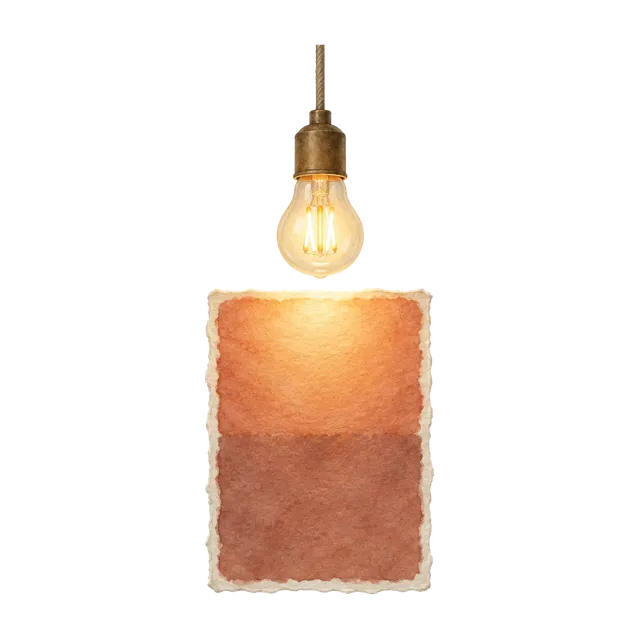
How light bulbs change paint colour
The same paint can look cosy under one bulb and cold under another. Here is why, and how to choose bulbs that flatter your colours instead of fighting them.
Read guide
Colour rendering index (CRI) explained
Most of us know kelvin, the warm or cool colour of a bulb. CRI is the other number on the box, and for paint it matters just as much: it tells you how truthfully that light will show the colours around it.
Read guide
2700K vs 3000K vs 4000K bulbs
Kelvin is the colour of a bulb’s light: lower numbers are warmer and more golden, higher numbers cooler and bluer. Here is how the common choices compare in a painted room.
Read guideDaylight and room direction
The direction a room faces decides the daylight it gets: cool and even from the north, warm and bright from the south, changing through the day from the east and west.
Screens and real life
A phone gives out its own light, while paint reflects the light in your room, so screens and walls never quite agree.
Viewing colours on screen vs real lifeHow light or heavy a colour feels
Bulbs set the colour of the light; the paint decides how much of it comes back. A colour’s light reflectance value (LRV) tells you how much light it reflects, and every colour page lists one.